What's in this guide
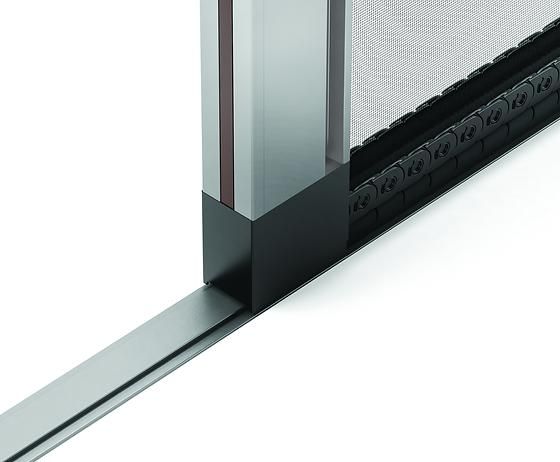
When choosing retractable fly screens, most homeowners focus on the mesh, appearance and insect protection. But there is another important detail that can make a big difference to everyday use: the bottom track.
The design and height of the bottom track affect how easily you can walk through the doorway, how the screen fits into your existing flooring and whether the installation can achieve a seamless, flush-floor finish.
At SYNC BLINDS, our retractable fly screen systems come standard with a 12mm low-profile bottom track, designed to suit most existing and new homes across Sydney.
For homeowners planning a renovation or new build, we can also offer a recessed, flush-floor track option for a more seamless and accessible finish.
So, what is the difference between low-profile and recessed fly screen tracks, and which option is right for your home?
Let's take a closer look.
1. What Is a Low Profile Fly Screen Track?
A low-profile fly screen track is a slim bottom guide designed to minimise the raised edge across a doorway.
Unlike some traditional fly screen systems with higher bottom tracks, a low-profile design creates a less noticeable transition between indoor and outdoor flooring.
SYNC BLINDS retractable fly screens feature a 12mm low-profile bottom track as standard.
This design offers several practical advantages:
- Reduced trip obstruction: The lower track creates a smaller raised edge to step over.
- Suitable for existing homes: It can generally be installed without major changes to existing flooring.
- Ideal for renovations: A practical option when replacing doors or adding fly screens to an established home.
- Clean, modern appearance: A slim track helps maintain the overall look of your doorway.
- Included in the standard quotation: There is no additional charge for the standard 12mm low-profile track option.
For most homeowners, this provides a good balance between installation flexibility, everyday convenience and appearance.
2. What Is a Recessed or Flush Floor Fly Screen Track?
A recessed fly screen track is installed into a prepared channel in the floor, allowing the track to sit at or close to the finished floor level.
Rather than having a raised track sitting on top of the flooring, the track is integrated into the floor structure. This creates a cleaner transition between indoor and outdoor spaces.
A recessed track is particularly appealing for:
- Modern architectural homes.
- New home construction.
- Major renovations.
- Large sliding or stacker door openings.
- Homeowners seeking a more accessible floor transition.
- Indoor-outdoor living areas where a seamless appearance is important.
However, recessed installation requires more preparation than a standard low-profile track.
Key point: The floor channel needs to be planned and prepared during the construction or renovation stage. If you are building a new home or replacing your flooring, it is worth discussing the recessed track option with your builder before the flooring is installed.
Retrofitting a recessed track into an existing finished floor may require cutting or modifying the flooring and supporting structure. Whether this is possible depends on the site conditions.
3. Low Profile vs Recessed Fly Screen Tracks: What's the Difference?
Both options are designed to create a more convenient doorway transition, but they suit different installation situations.
| Feature | 12mm Low Profile Track | Recessed Track |
|---|---|---|
| Track height | 12mm | Designed to sit at or close to floor level |
| Installation | Installed on the existing floor | Requires a prepared floor channel |
| Existing homes | Suitable for most homes | Depends on floor construction |
| New homes | Yes | Yes, with advance planning |
| Renovations | Generally straightforward | Best planned before flooring |
| Floor modification | Usually not required | Required |
| Appearance | Slim and discreet | More seamless |
| Accessibility | Reduced raised obstruction | More level floor transition |
| Pricing | Included in standard quotation | Quoted separately |
Which one should you choose?
If you are installing retractable fly screens in an existing home, the 12mm low-profile track is usually the more practical choice.
If you are building or renovating and want the cleanest possible floor transition, a recessed track may be worth considering.
4. Is a 12mm Low Profile Track Suitable for Existing Homes?
Yes. This is one of the main advantages of SYNC BLINDS' standard low-profile track system.
Many homeowners want to install retractable fly screens but are concerned about having to modify their existing tiles, timber flooring or outdoor paving.
With a 12mm low-profile track, most installations can be completed without cutting a channel into the floor.
It is particularly suitable for:
- Existing sliding glass doors.
- Bifold doors.
- Stacker doors.
- Patio and alfresco openings.
- Renovated homes with finished flooring.
- Homes where major structural modifications are not practical.
Of course, every doorway is different. The floor level, door frame, opening dimensions and installation space all need to be checked before confirming suitability.
But for most standard residential installations, a low-profile track provides a convenient solution without the additional work involved in recessed installation.
5. Can I Install a Recessed Fly Screen Track in an Existing Home?
This depends on your existing floor construction.
If your floor has already been tiled or finished, installing a recessed track may require:
- Removing or cutting sections of the existing flooring.
- Creating a suitable channel for the track.
- Checking the substrate and structural conditions.
- Coordinating with other trades where necessary.
- Ensuring the finished floor and drainage conditions are suitable.
For this reason, recessed installation is generally easier to plan during a new build or major renovation.
If you are still at the design or construction stage, we recommend discussing the track requirements with your builder or flooring contractor before the floor is completed. Planning ahead can help avoid unnecessary modifications later.
6. Does a Low Profile Track Reduce Trip Hazards?
A lower track can reduce the height of the raised obstruction compared with a conventional higher bottom track.
SYNC BLINDS uses a 12mm low-profile track to make everyday access more convenient while maintaining the bottom guidance needed for the retractable screen.
However, it is important to understand that a low-profile track is not completely level with the floor.
If your priority is a more seamless transition, particularly for wheelchair access or other mobility requirements, a recessed track may be a better option. The suitability of either system depends on the specific doorway and the accessibility requirements of the household.
7. How Much Does a Low Profile or Recessed Fly Screen Track Cost?
At SYNC BLINDS, our 12mm low-profile track is included in the standard retractable fly screen quotation.
This means you do not need to pay an additional upgrade fee simply to get the low-profile track.
For homeowners who prefer a recessed installation, pricing is provided separately because the requirements depend on the floor preparation, installation conditions and project scope. Recessed installation may involve additional work and coordination with builders or flooring contractors.
The best way to understand the cost is to have your doorway and floor conditions assessed before finalising your installation plan.
8. Which Track Option Is Best for Your Home?
Here is a simple guide to help you decide.
Choose the 12mm Low Profile Track if:
- You are installing fly screens in an existing home.
- Your flooring is already completed.
- You want to avoid cutting or modifying the floor.
- You want a slim, discreet track.
- You prefer an option included in the standard quotation.
Consider a Recessed Track if:
- You are building a new home.
- You are planning a major renovation.
- Your builder can prepare the floor channel in advance.
- You want a more seamless transition between indoor and outdoor flooring.
- Accessibility and a near-level floor transition are important priorities.
Not sure which option is suitable? A site assessment can help determine the best solution for your doorway and flooring.
Frequently Asked Questions
How high is the SYNC BLINDS low-profile fly screen track?
Our standard low-profile bottom track is 12mm high. It is designed to minimise the raised obstruction across the doorway while providing the guidance required for the retractable screen.
Is the 12mm low-profile track included in the price?
Yes. The 12mm low-profile track is included in our standard retractable fly screen quotation. There is no additional charge for this standard track option.
What is the difference between a low-profile and recessed fly screen track?
A low-profile track sits on top of the finished floor and has a reduced height. A recessed track is installed into a prepared floor channel, allowing it to sit at or close to the finished floor level.
Can I install a recessed fly screen track in my existing home?
It may be possible, but it depends on the existing floor construction and available installation space. Cutting or modifying finished flooring may be required. We recommend having the site assessed before deciding.
Do I need to prepare anything before installing a recessed track?
Yes. The floor channel needs to be planned and prepared during the construction or renovation process. Ideally, coordinate with your builder or flooring contractor before the floor is finished.
Is a 12mm track completely trip-free?
No. It is a low-profile track, not a completely flush floor installation. It reduces the height of the raised obstruction but does not eliminate it. If a near-level floor transition is required, consider the recessed option.
Which track is better for wheelchair access?
A properly designed recessed track may provide a more suitable floor transition for wheelchair users. However, accessibility depends on the finished floor levels, track design, thresholds and the relevant access requirements. The installation should be assessed for the specific site.
Can low-profile tracks be installed on tiled floors?
In many cases, yes. The 12mm low-profile track is designed to suit most existing residential installations without requiring a recessed floor channel. The tile surface, levels and available mounting space still need to be checked.
Find the Right Retractable Fly Screen Track for Your Home
At SYNC BLINDS, we believe good design should make everyday living easier without unnecessary changes to your home.
Our standard 12mm low-profile track provides a practical solution for most existing and new homes, with no additional track upgrade cost.
For homeowners planning a new build or renovation, we also offer a recessed track option for a more seamless floor finish, subject to site conditions and separate quotation.
Whether you are upgrading an existing sliding door, installing screens across a large alfresco opening or planning a new home, our team can help you find the right solution.
Book a FREE measure and consultation with SYNC BLINDS.
Our team will assess your door configuration, floor levels and installation conditions, then recommend a suitable track option for your home.
No hard selling, just practical advice.
SYNC BLINDS | SYDNEY
Custom Blinds • Curtains • Shutters • Awnings • Retractable Fly Screens